
By Julia Loggins — Gut Health Coach, Colon Therapist, and Author-Educator
Do you feel foggy, shaky, and short-tempered by mid-afternoon? Stress and blood sugar crashes may be the cause, because the gut feels every swing.
I am Julia Loggins, a gut health coach and colon therapist of 40 years. I am an author-educator, not a doctor. In my clinic, blood sugar issues are connected with gut health issues. Stress rocks your blood sugar, and makes the ride rough. So let’s untangle stress and blood sugar crashes together.
Stress and Blood Sugar Crashes: What They Feel Like in Your Body

Stress and blood sugar crashes rarely announce themselves. For example, you may wake up tired. After you eat, you might feel instantly exhausted. Also, bloating, brain fog, and headaches are common. Some people feel shaky or even nauseated.
I know this feeling well. As a child, I lived with undiagnosed hypoglycemia. People (myself included) equated my mood swings with my personality. But blood sugar was not understood at the time.
Low glucose can cause anger, crankiness, and impatience. Your brain runs on glucose, so a dip leaves you short on fuel. As a result, irritability and anxiety can follow. Also, over the past few years, people call this feeling hangry. Because the biology is real, you may drop the guilt—which can stress the gut even more.
I have also met clients treated for anxiety who actually experienced badly imbalanced blood sugar. Anxiety is real, and I take it seriously. However, the clues overlap, so ask your doctor to check both. You may not feel hungry during a crash. In my experience, people can pass right through hunger. Instead, nausea and shakiness often take hunger’s place.
Indeed, the stakes are high. The CDC estimates that 115.2 million U.S. adults have prediabetes. Because stress and blood sugar crashes often travel together, protecting your balance today pays off for years. For more on the hangry cycle, read my post on blood sugar crashes and your peace.
Why Stress Lands in Your Gut First
Your gut and brain talk all day long, and most of the traffic runs upward. About 80% of the fibers in the vagus nerve carry signals from the gut to the brain. But only about 20% carry messages back down. So your belly sends your brain far more news than your brain sends your belly. Stress travels the same road. Stress hormones signal your liver to release stored glucose, and they make your muscles less responsive to insulin. Meanwhile, cortisol can drive cravings for sweet comfort foods.
Have you ever crashed after a fight or an emotional event? I certainly have. Stress and blood sugar crashes travel together. Your gut feels the strain from stress and blood sugar crashes too. Also, research links chronic stress to shifts in gut bacteria, a weaker gut lining, and more inflammation. If you live with an inflammatory gut condition, you may hold your stress right in your belly. Indeed, I hear this story every week. As a result, calming stress becomes part of gut healing. For more on this link, see my post on the gut-brain connection.
My Own Lesson in Releasing Stress
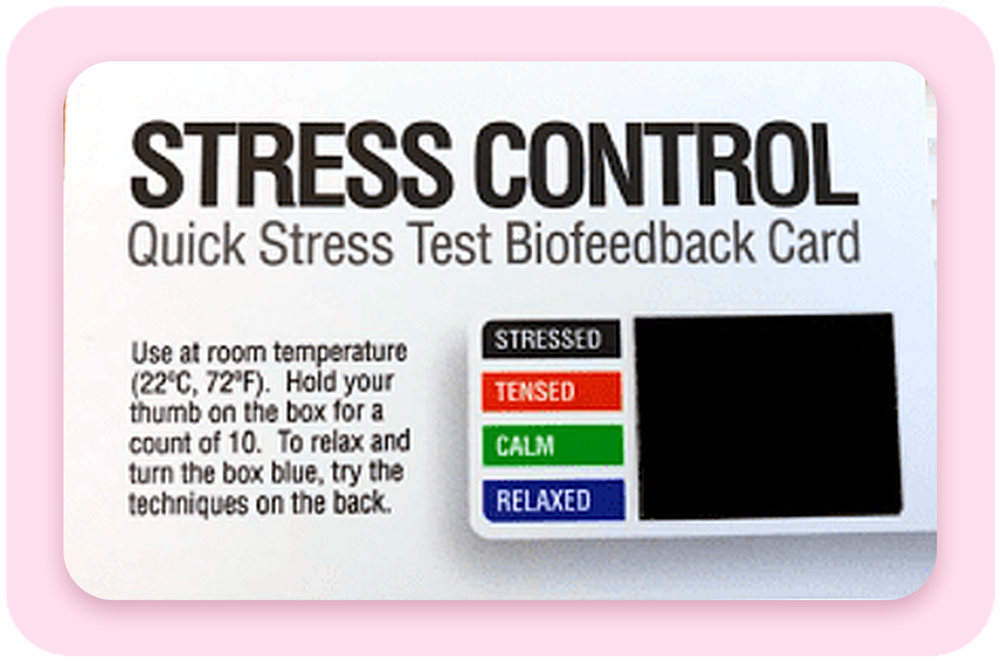
For years, I never felt the stress I held in my body. Because most people are the same, this skill takes practice. Then I started working with a biofeedback card and an incredible teacher, Niravi Payne. At the time, I had just endured four miscarriages. Niravi taught me to notice the heavy stress I carried, and she taught me to let go. That made a real difference in me. Biofeedback stress cards change color as your hand temperature changes. In one report, students who warmed their hands rated their stress 49% lower. A Bio Feedback Card lets you see stress you may not feel. So hold the card, breathe slowly, and watch the color shift.
Protein, Digestive Enzymes, and Food Combining for Steadier Blood Sugar
Food is the next lever for stress and blood sugar crashes, so start there. I teach my clients three steps, and they work together.
Step One: Digestive Enzymes for Bloating
First, take digestive enzymes with your protein meals. Food must break down in your stomach before your body can absorb its nutrients. Low stomach acid can make protein feel heavy, so enzymes may help. Aging itself may not lower acid output, but atrophic gastritis, H. pylori infection, and long-term acid-blocking medicines can. My Enzyme Energy capsules combine hydrochloric acid, pepsin, and gentian root for this job. However, skip them if you’ve had ulcers, and ask your doctor first if you take medication.
Step Two: Protein Steadies Blood Sugar
Second, build meals around protein. I coach many clients to acheive 120 grams a day. The standard minimum is 0.8 grams per kilogram of body weight, and needs rise with age and activity. If you live with kidney disease, talk with your doctor first. Protein-rich breakfasts improve blood sugar cafter eating. In my experience, cravings settle as protein increases. For snacks, reach for a protein shake or bone broth. Nuts and seeds can feel heavy in a sensitive gut, so many of my clients skip them during flares. However, a large study of men found nuts did not raise diverticulitis risk, so ask your doctor what suits you. For gentler options, see my post on foods that heal diverticulitis.
Step Three: Orderly Food Combining Basics
Third, try orderly food combining. Eat proteins and carbohydrates at separate meals, and pair carbohydrates with vegetables. Plus, vegetables go with anything. Also, keep fruit away from other solid foods. Science has not confirmed that food combining changes digestion, but protein eaten with carbohydrates may blunt glucose spikes. In my clinic, many people feel less bloated and steadier. So try it for two weeks and track how you feel. My Food Combining Chart simplifies the plan.

Eat Like a Salmon: Sardines and Tinned Fish
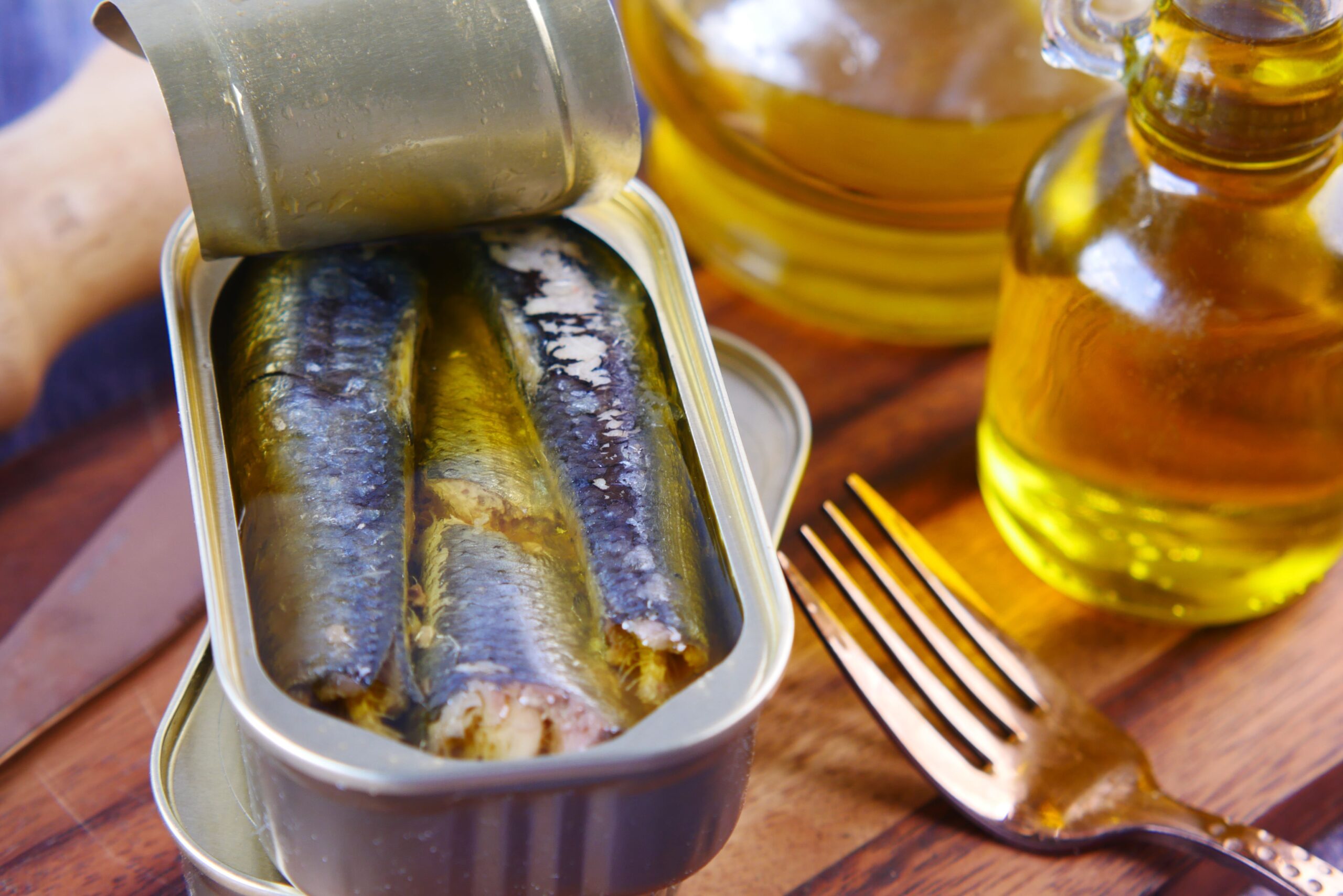
What beats eating wild salmon? Eating like a salmon eats. A nature food study found wild fish like herring match or beat farmed salmon on many nutrients. Also, sardines are another small, oily fish worth trying.
My dad loved them, but the smell put me off. Last year I tried them again and fell in love. Because wild-caught tinned fish costs little, it makes an easy lunch. One standard can offers roughly 23 grams of protein, nearly a fifth of a 120-gram day.
A Quick Word on Sugar Cravings and Yeast
For post-meal spikes, I now recommend my new Sugar Flush. This supplement targets blood sugar swings and carbohydrate cravings. Right now, Sugar Flush is 20% off this month, so the price drops from $75 to $60. However, check with your doctor first if you take diabetes medicine or self-monitor your blood glucose.

What to Do During a Blood Sugar Crash
Stress and blood sugar crashes can bring anger, impatience, brain fog, shakiness, headache, or nausea. But not every symptom is emotional. During a crash, food may even upset your stomach. So I reach for a protein shake mixed in water. In our family, we carry protein powder in our water bottles. Protein Power is sugar-free, dairy-free, and gluten-free.
Because it mixes right into plain water, you need no milk or juice. In my experience, a shake steadies everyday dips. However, a true low is different. If you take insulin or other medicine that lowers blood sugar, follow your doctor’s plan. Doctors treat blood sugar under 70 mg/dL with 15 grams of fast-acting carbohydrate first, then recheck in 15 minutes.


Prevention works best. Instead, keep your protein steady, drink enough water, and plan ahead for stress. For example, pack a protein shake before a stressful meeting. Parents, watch for these signs in babies, toddlers, and teenagers. Therefore, ask your pediatrician about frequent crashes. Steady blood sugar now may protect their health later.
Your Afternoon Bloat, Headache, and Fatigue Checklist
How can deep breathing help to calm bloat, headache and fatigue? Your gut sends more messages to your brain than the reverse. So slow breathing sends the message back down: you are safe. In one study, two minutes of slow breathing kept stress from rising before a demanding task. A second study found deep, slow breathing lowered anxiety and improved vagal tone. Practice for two minutes every two or three hours, when stress and blood sugar crashes hit. Then add a castor oil pack when you can. Many people find them warm and soothing.
However, research on castor oil packs is limited, so treat them as comfort care. Skip them during pregnancy, and stop if your skin gets irritated. Prepackaged packs from Queen of the Thrones on Amazon make the routine easy. Doctors may call a gut condition incurable. That word is a medical and legal term. Instead, I prefer the word healing. I have taught thousands of people to calm inflammatory gut conditions, and breathing is where we start. Of course, keep your doctor on your team.
Acquiring Gut Health Need not Break the Bank–Julia’s Free Recources
Is your body chemistry out of whack, imbalanced, or hurting? Then asking for help can feel impossible. Maybe you believe you do not deserve support. Yes, you do.
So when you need solid, experienced gut wisdom, tune in to my free ASK JULIA live videos. Catch me on TikTok and YouTube every Sunday at 4 pm PST. Then join the love and compassion in our Facebook Happy Gut Tribe group.


Where can we send Julia’s no-cost DIY Resources? Click to tell us.
A Final Word: Three Ways to Lower the Stress Held in Your Belly
We cannot change the outside world. Instead, we can change how we handle stress and how we let tension go. Here are three steps to start today. Each step eases the strain that feeds stress and blood sugar crashes.
1. Step away from the news.
You need not know everything happening everywhere. Heavy news scrolling links to higher stress and anxiety, though researchers cannot yet say which drives which. One of my clients lowered blood pressure 30 days away from the news. Keep your doctor involved in heart care.
2. Speak up: Say Your Peace
Because silence often stresses you more than speaking up, say what needs saying. Ask for support when you need help. Also, professional support counts. Release the unsaid things, the fearful things that you hold in your belly.
3. Forgive yourself.
Forgive yourself for what you did not know and what you did not do when a situation went astray. We often forgive others for terrible things before we forgive ourselves. In fact, reassure yourself that up you always did the best you could at the time.
Frequently Asked Questions About Stress and Blood Sugar
Can stress really crash my blood sugar?
Why do I feel hangry and foggy in the afternoon?
How much protein should I eat each day?
Should I avoid nuts and seeds with IBS, colitis, or diverticulitis?
Does breathing really help an upset stomach?
Can dehydration feel like a blood sugar crash?
Related Reading from Julia
- Do Blood Sugar Crashes Make You Hangry & Steal Your Peace?
- Gut Brain Connection Explains Pain & Fatigue
- 8 Trapped Gas Causes & 5 Remedies to Flatten the Bloat
- From Bloat to Bliss—Gut-Friendly Food, Products & Recipes
- Foods That Heal Diverticulitis
- When Food Bullies Undermine Your Best Intentions
Take heart. You hold more power over stress and blood sugar crashes than you think, right in your own two hands. Let’s walk this road home to health together. Join me at Happy Gut Tribe Lives on Saturdays at 4 p.m. and Sundays at 5 p.m. Pacific.
To Your Health,

Julia Loggins is a gut-health coach and educator, not a physician. This content is for educational purposes only and is not medical advice. Individual results vary and are not typical. These statements have not been evaluated by the FDA. This product is not intended to diagnose, treat, cure, or prevent any disease. Always consult your doctor before starting any supplement, cleanse, or lifestyle change.
Sources
- CDC: National Diabetes Statistics Report
- Piedmont Healthcare: Why we get hangry
- Frontiers in Neuroscience: The Vagus Nerve at the Interface of the Microbiota-Gut-Brain Axis
- HCPLive: The Cortisol–Diabetes Connection
- The Conversation: Why do I crave sugar, salt and carbs?
- Stressed to the Core: Inflammation and Intestinal Permeability (PMC)
- Biofeedback Resources: Temperature Biofeedback for Stress Management
- Applied Psychophysiology and Biofeedback: Hand warming and subjective stress
- Biomedicines: Age-Related Decline of Gastric Secretion
- Harvard Health: How much protein do you need every day?
- UTMB Health: How much protein do you really need each day?
- PMC: Breakfast protein and postprandial blood glucose
- JAMA: Nut, Corn, and Popcorn Consumption and Diverticular Disease (Strate et al.)
- Nutrisense: Food combining
- University of Stirling: Wild fish consumption can balance nutrient retention in farmed fish (Nature Food)
- UH Hospitals: Nutrition facts for canned sardines
- Experience Life: 10 Tips to Tackle Candida
- RxList: Saccharomyces boulardii
- University of Michigan Health: Treating Low Blood Sugar
- UConn Today: Even Mild Dehydration Can Alter Mood
- De Couck et al.: Breathing patterns, heart rate variability, and stress (Int J Psychophysiol)
- Magnon et al.: Deep and slow breathing, vagal tone, and anxiety (Scientific Reports)
- Castor oil packs: mechanism and evidence review (Superpower)
- Castor Oil Packs: A Complete Medical Overview (Acibadem)
- University of Florida News: “Doomscrolling” is a unique behavior
Shop Julia’s picks: Enzyme Energy | Protein Power | Bio Feedback Card | Food Combining Chart | Sugar Flush | Yeast Be Gone Cleanse | Woman’s ProbioEnergy


Leave a Reply