
By Julia Loggins — Author & Gut Health Coach of 40+ Years
You eat healthy. So why are you still bloated? Still cramping? Still one bite away from another flare? Here’s the truth: some of the foods sitting in your kitchen right now, the ones labeled “health food,” are exactly what’s putting you back in the bathroom. Or worse, the hospital. If you’re ready to find out which foods are working against you, keep reading.

I’m Julia Loggins, a gut health coach and colon therapist of over 40 years. I’m not a doctor. But I’ve helped thousands of people heal diverticulitis naturally, and even shrink their diverticulitis pockets. Yes, it’s truly possible. I know, because I did it myself. If I can heal, so can you.
Meet Julia Loggins. Doctors told me I wouldn’t live past 17. I was born “allergic to the twentieth century” — life-threatening asthma by five, and by ten I had migraines, bleeding ulcers, colitis, rheumatoid arthritis, and diverticulitis. I spent 12 years on steroids and survived three near-death anaphylactic scares. But I healed completely, had the two children doctors said I’d never have, and I’ve spent the last four decades teaching people to heal their gut with their own two hands. Read my full story →
Why “Healthy Foods” Can Still Trigger a Diverticulitis Flare
Here is what almost nobody tells you: food doesn’t have to be junk food to injure a diverticulitis gut. Nuts, kombucha, salad, and certain fibers marketed as “gut-healthy,” are some common flare triggers I see in clients. In fact, they cause more trouble than almost anything else, including processed food.
Why? The answer is low stomach acid. When your gut can’t assimilate food the way a healthy digestive system does, food does not pass through quietly. Instead, food sits, ferments, and swells. The the food scrape its way through an already-inflamed colon. That’s exactly when a flare starts.
.
The First Step Before You Cut Trigger Foods
So what can you do? I tell everyone to take a digestive enzyme with hydrochloric acid after meals. If you don’t already have one you love, I formulated Enzyme Energy especially for people with sensitive bellies. Getting your digestion working properly is step one, before you even start avoiding trigger foods.
5 Foods That Trigger Diverticulitis Flares
These are the foods I warn my clients about again and again, the ones that quietly undo all their hard work. And this isn’t just my opinion after 40 years. A 2019 study in the European Journal of Nutrition found that the type and source of dietary fiber matters enormously for diverticular disease risk and flare prevention.[1]
1. Kombucha — A Top Diverticulitis Flare Trigger
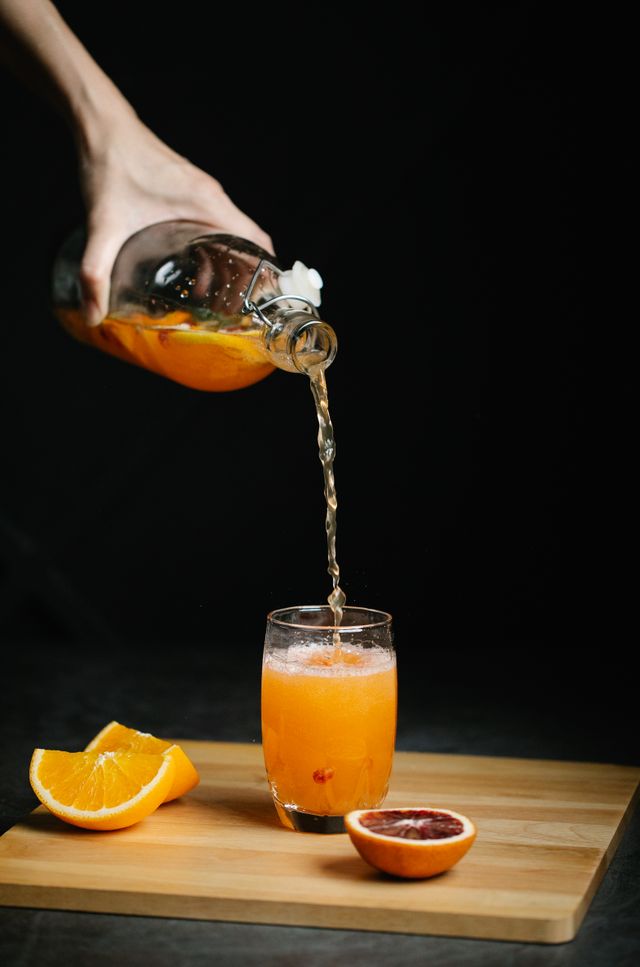
You eat healthy, but you’re bloated all the time. Kombucha may be why. Here’s what’s happening: kombucha contains bacteria that can trigger yeast overgrowth, and causes bloat plus out-of-control sugar cravings.
Next time you pick one up, read the label. Kombucha sold in health food stores can include 30-50 grams of sugar. That’s equal to a can of Coca-Cola. Plus, the carbonation isn’t good for a sensitive gut and can cause bloat. And if you deal with histamine issues or mast cell activation syndrome, this fermented beverage that can carry a meaningful histamine load. That can trigger those symptoms too.[2]
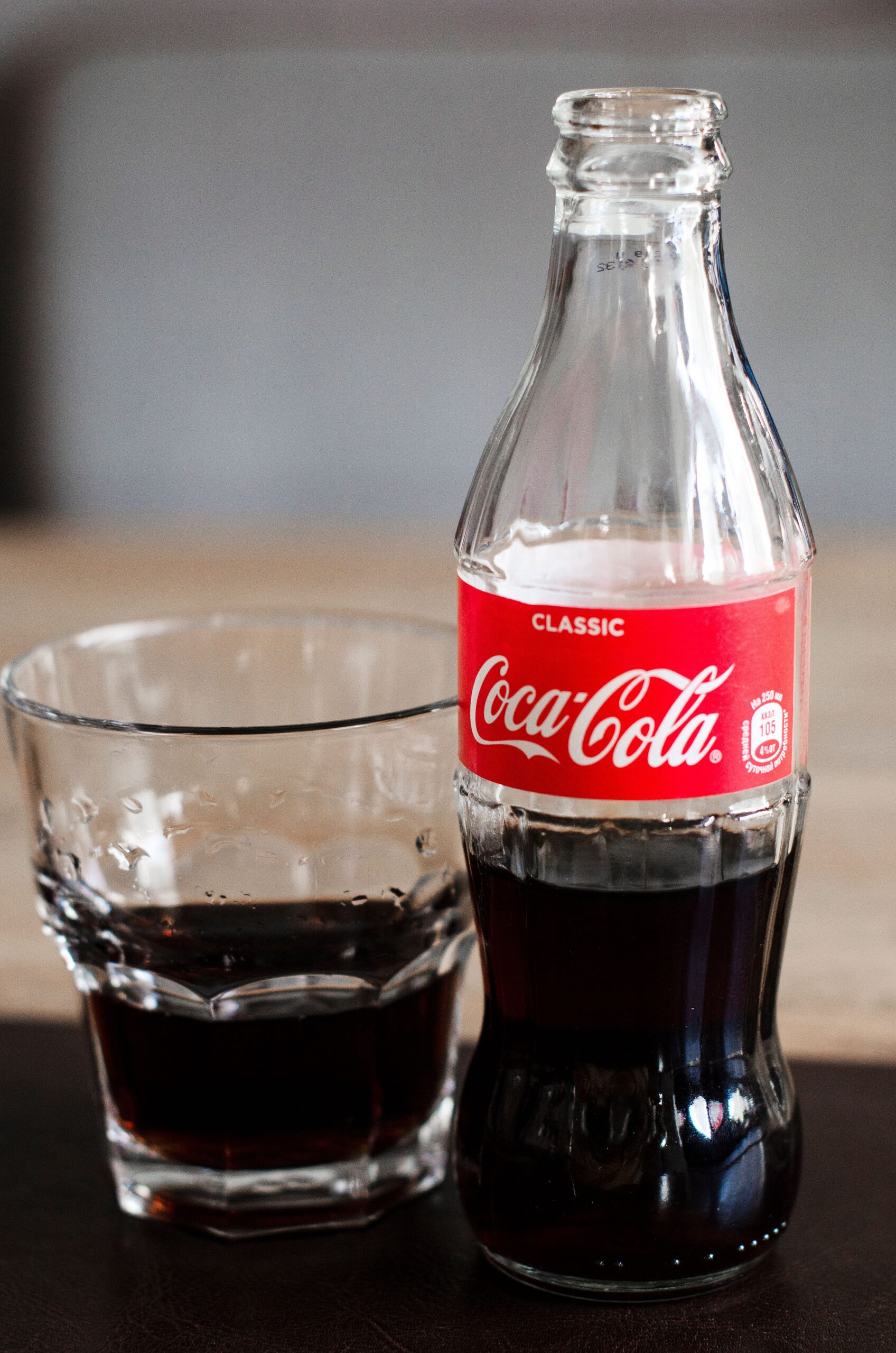
Also skip: other “health food sodas” like Poppi. More bubbles, same problem.
2. Whole Nuts & Seeds Trigger Flares More Than Any Other Food
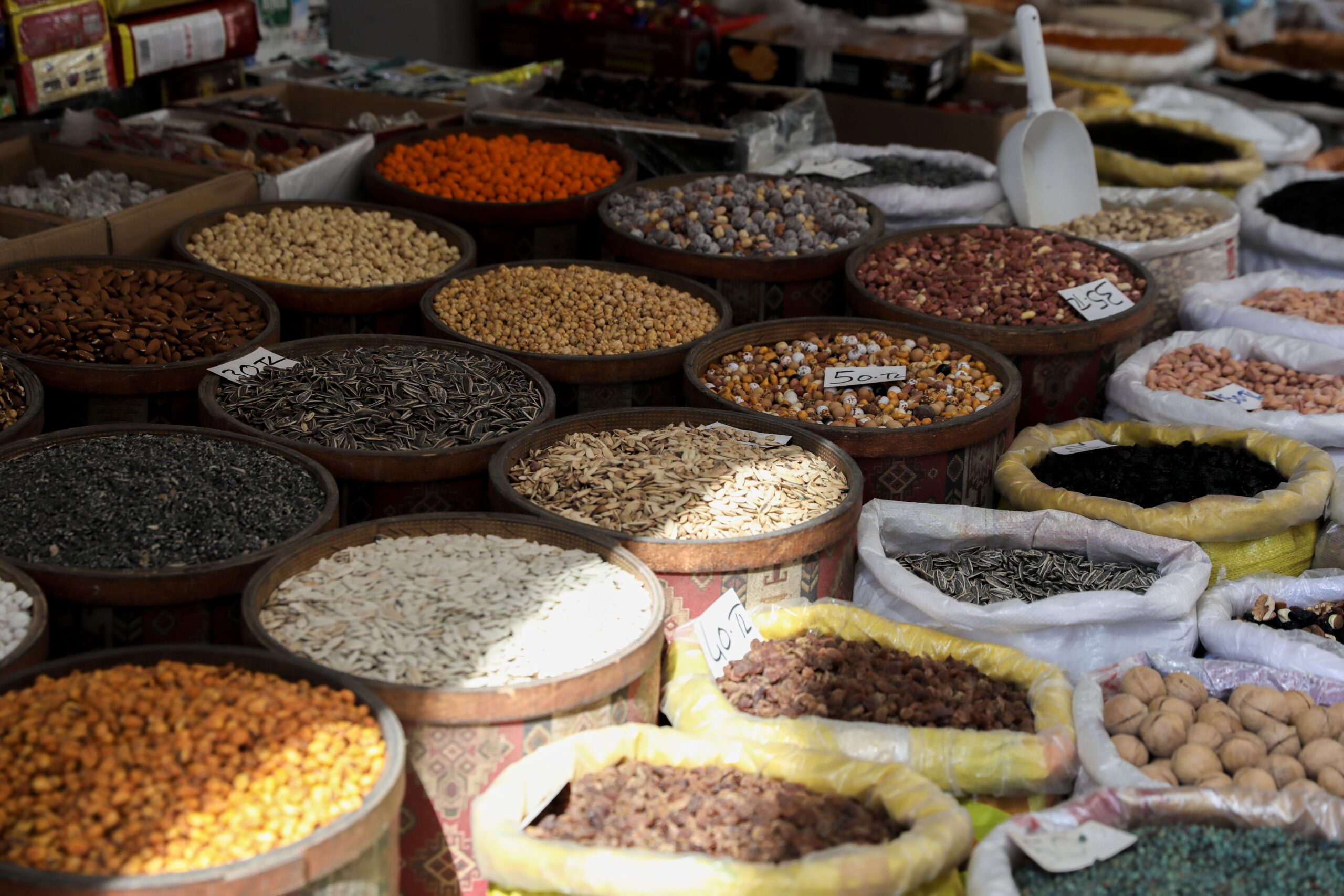
In my 40+ years of clinical experience, nuts put more of my diverticulitis clients in the hospital than any other food, except maybe popcorn. Here’s why: nature wrapped nuts and seeds in a coating designed to survive digestion. They’re built to be eaten whole by birds and pooped out whole, so they can grow into trees. My clients who react tend to feel that these foods aren’t breaking down the way the rest of their meal does. That’s what shows up as bloat, constipation, and flares for them.
3. Salads are not that good for diverticulitis
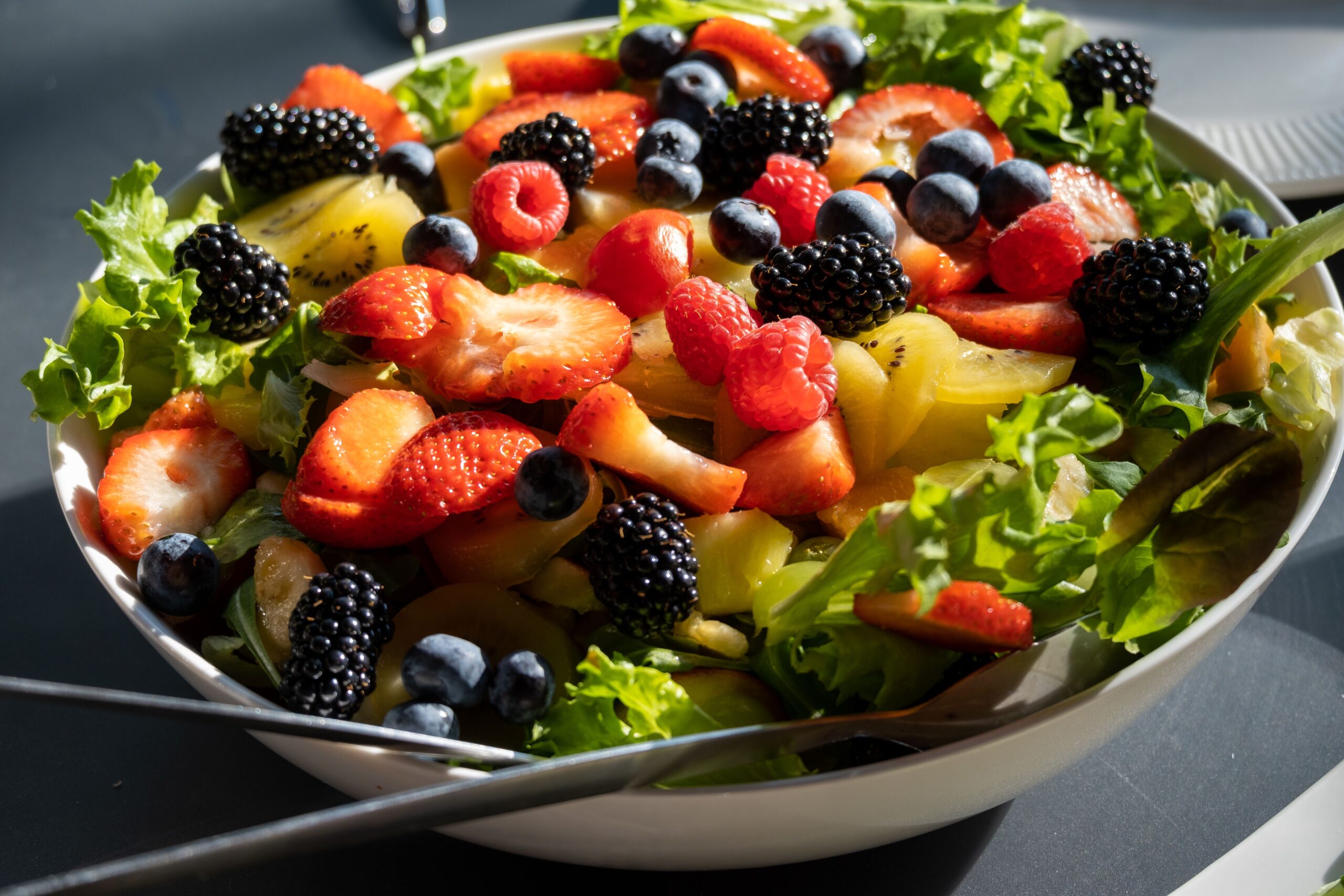
Not all fiber is created equal. The “roughage” you may think you’re supposed to be eating isn’t necessarily good for your gut. Salads and fresh fruits with skins fall into this category, and they’re a common trigger for diverticulitis flares. After all, we are not cows. We don’t have seven stomachs, and we were never designed to eat pounds and pounds of raw fiber.
4. “Healthy” Insoluble Fibers — Brown Rice, Wild Rice, Flax & Chia
Many types of fiber that are considered healthy, like brown rice and wild rice, are actually hard to digest and can trigger a flare. Other fibers marketed as healthy, like flax, chia, or any high-fiber laxative, swell in the colon and can trigger a flare, too.
These foods don’t pass through gently the way soluble fiber does. They get stuck, and that’s one of the actual causes of diverticulitis. This tracks with the science on fiber types: insoluble fiber resists fermentation and holds its bulk as it moves through the colon, while soluble fiber breaks down and passes through far more easily. [3]
5. Hidden Sugar That Feeds Yeast & Candida Overgrowth
Do you have out-of-control sugar and carb cravings? That’s often a sign of systemic yeast or candida overgrowth. And here’s the catch: many “healthy” packaged foods and drinks, kombucha included, are loaded with exactly the sugar that feeds it. Diet alone can’t fix this once the overgrowth has taken hold, which is why these cravings feel impossible to control through willpower alone.
Animal research backs up this connection. Dietary carbohydrate supplementation has been shown to promote candida colonization of the gastrointestinal tract. [4]
You Don’t Have to Live Flare to Flare
Fix your digestion and your elimination, and you can heal almost any chronic inflammatory gut issue. By healing, I mean becoming genuinely pain- and symptom-free. Knowing which foods to avoid is half the battle. Want to know exactly what to eat instead? I cover that in 7 Foods That Heal Diverticulitis, IBS & Colitis.
Ready to shortcut your gut-healing journey? Book a private coaching call with me and let’s put your gut back together, step by step. Book your coaching call →
Want a complete roadmap of exactly what to eat — and what to avoid? Grab The Diverticulitis Diet — my full food guide for just $10. Get The Diverticulitis Diet →
Have you been suffering with chronic gut issues for years? Are you confused about what to eat; what not to eat; what supplements to take or not to take? Have you been told that your condition is “incurable”? Don’t buy it! Reducing symptoms and flares, reclaiming energy and joy—these are all attainable goals.
In your private half-hour session with Julia, you will explore the root cause of your condition and symptoms, plus create a personal plan based on your history, lifestyle, and health goals. You will learn simple protocols and practices to transform your body, mind and spirit. Life without a pain-body is your birthright. Read a few of Julia’s client experiences with her gut health consultations.
Frequently Asked Questions About Foods That Trigger Diverticulitis Flares
Is kombucha bad for diverticulitis?
Why do nuts trigger diverticulitis flares?
Are salads and raw vegetables safe with diverticulitis?
Can brown rice trigger a diverticulitis flare?
What causes sugar and carb cravings with a gut condition?
Free Gut Health Resources to Start Today
Is your body chemistry out of whack, imbalanced, or hurting? Then asking for help can feel impossible. Maybe you believe you do not deserve support. Yes, you do.
So when you need solid, experienced gut wisdom, tune in to my free ASK JULIA live videos. Catch me on TikTok and YouTube every Sunday at 4 pm PST. Then join the love and compassion in our Facebook Group.

Related Reading from Julia
- 7 Foods That Heal Diverticulitis, IBS & Colitis
- 5 Natural Remedies to Shrink Diverticulitis Pockets
- Are You Experiencing a Leaky Gut?
- Trapped Gas & Bloat — What’s Really Going On
- Blood Sugar Crashes & Your Gut
- Thiamine Deficiency — the Missing Link to IBS & Gut Health?
You were put on this earth to do something wonderful. Let’s get your gut healthy enough to go do it.

Julia Loggins is a gut-health coach and educator, not a physician. This content is for educational purposes only and is not medical advice. Individual results vary and are not typical. These statements have not been evaluated by the FDA. This product is not intended to diagnose, treat, cure, or prevent any disease. Always consult your doctor before starting any supplement, cleanse, or lifestyle change.
Sources
- High intake of dietary fiber from fruit and vegetables and reduced diverticular disease hospitalization risk — Mahmood et al., European Journal of Nutrition, 2019: https://pubmed.ncbi.nlm.nih.gov/30084005/
- Histamine and biogenic amines in fermented foods — PMC review on microbial histamine-oxidizing enzymes and histamine intolerance: https://www.ncbi.nlm.nih.gov/pmc/articles/PMC9547800/
- Soluble vs. insoluble fiber: different physiological responses — Schneeman, B.O., 1987 (fiber fermentability and colonic bulk): https://agris.fao.org/search/en/providers/123819/records/647359b8e17b74d222511919
- Modulating effect of dietary carbohydrate supplementation on Candida albicans colonization — Vargas et al., Infection and Immunity, 1993: https://pmc.ncbi.nlm.nih.gov/articles/PMC302772


Leave a Reply