
By Julia Loggins — Gut Coach & Colon Therapist of Over 40 Years
Your lab work returned normal. Yet, your gut still doesn’t feel right. Take heart—a normal test result doesn’t mean nothing is wrong, and doesn’t mean you’re stuck. Sound familiar? You’ve been bloated for months, food sits like a brick after meals, and bathroom habits have gone sideways. You tell your doctor; but bloodwork comes returns clean.
You’re told everything looks fine, and just sent home. If that’s your story, you’re not imagining your symptoms, and you’re not alone in hearing “normal” and not feeling normal at all.
Hello, I’m Julia Loggins, a gut coach and colon therapist of 40 years. And, although I am not a doctor, I’ve helped thousands of people heal inflammatory gut conditions like diverticulitis, colitis, and ulcerative colitis — conditions often labeled incurable. And, here’s what I want you to know: you can heal and become pain- and symptom-free. That’s what we do here.
Why Gut Tests Come Back Normal When You’re Still Struggling
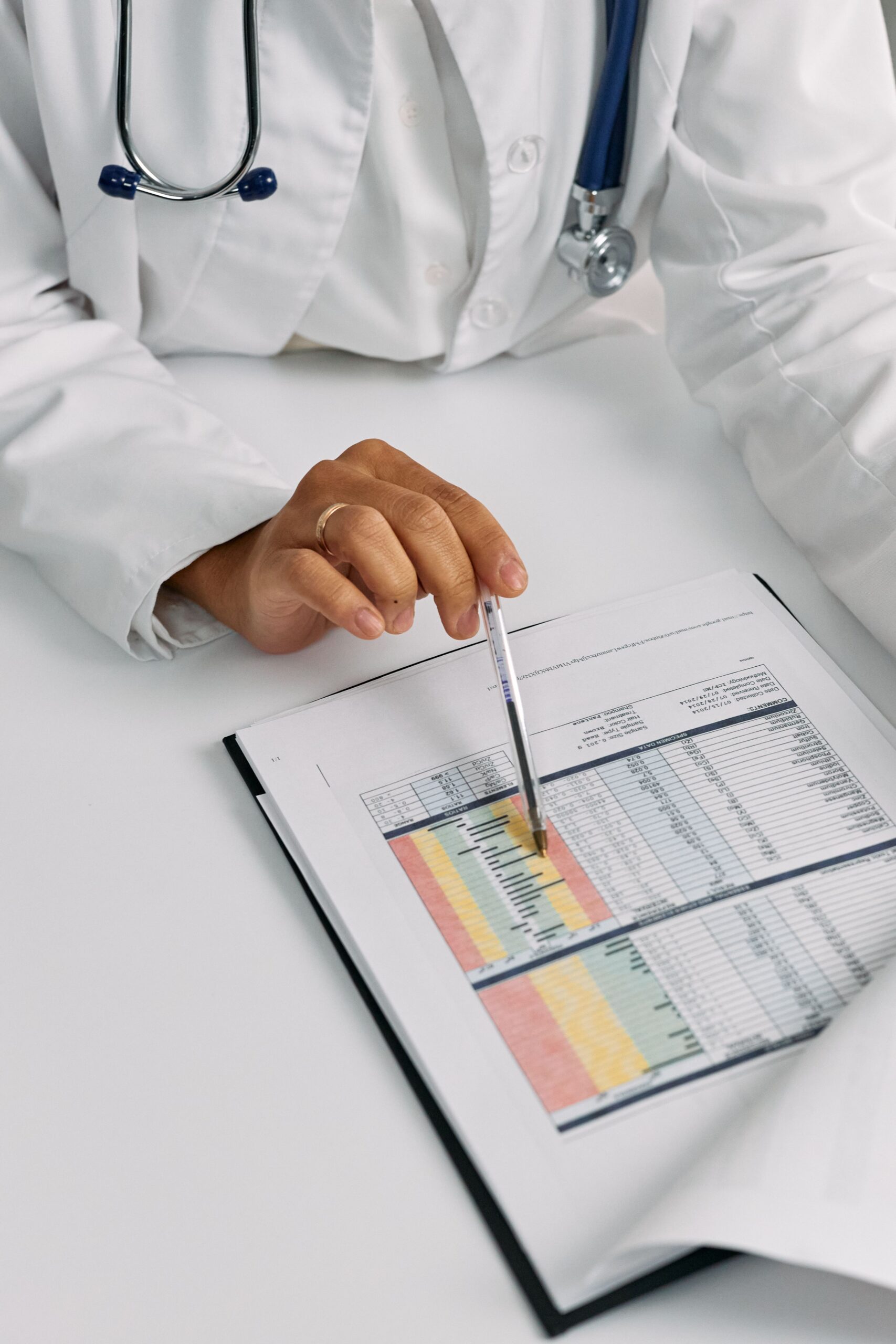
We’ve been taught that every condition comes with a test and a diagnosis. However, that’s not always how health works. Strangely, some conditions are well-funded, with years of research behind them. Sadly, others simply are not.
Now, you may have a long list of symptoms. For one example, food sits in your stomach like a rock. Because of this, you can’t eat what you used to. Consequently, you’re swollen and worn down, and yet still your tests come back normal. Then, the word “incurable” is applied to any gut or chronic condition that traditional methods haven’t solved. Yet, that doesn’t mean healing is off the table. Plus, no matter what anyone tells you, you know your body best.
Here’s what’s actually happening behind that “normal” result: standard stool and blood testing is built to catch a short list of specific, dangerous problems — bacterial infections, parasites, certain markers tied to inflammatory bowel disease. And, standard testing isn’t designed to measure microbial balance, digestive function, or the everyday imbalances that make daily life miserable.[6] Consequently, when none of those specific red flags turn up, the test reads “normal,” although your gut is clearly struggling.
Common Gut Symptoms That Get Overlooked on Standard Labs
A few patterns recur again and again in my coaching calls, even among people whose bloodwork looks fine:
- Bloating that won’t quit
- Constipation, or unpredictable, urgent trips to the bathroom
- Pain when you eat or when you go
- Food that seems to just sit there, undigested
- Feeling like you never fully empty after a bowel movement — a symptom called tenesmus
Doctors aren’t withholding help on purpose. Rather, medical professionals simply aren’t trained to treat gut issues at the root. Consider, that true healing usually starts with a look at what you’re eating, what your gut is actually absorbing, and what’s happening beneath a “normal” lab result.
Root Cause #1: Low Stomach Acid and Missing Digestive Enzymes
If food sits heavy after meals, low stomach acid is often the reason. Therefore, without enough digestive enzymes and hydrochloric acid, your body struggles to break food down and absorb nutrients. As a result, that single gap can show up as bloating, constipation, loose stools, IBS-type symptoms, brain fog, and fatigue. Then, over time lack of enzymes can contribute to food sensitivities and blood sugar swings.
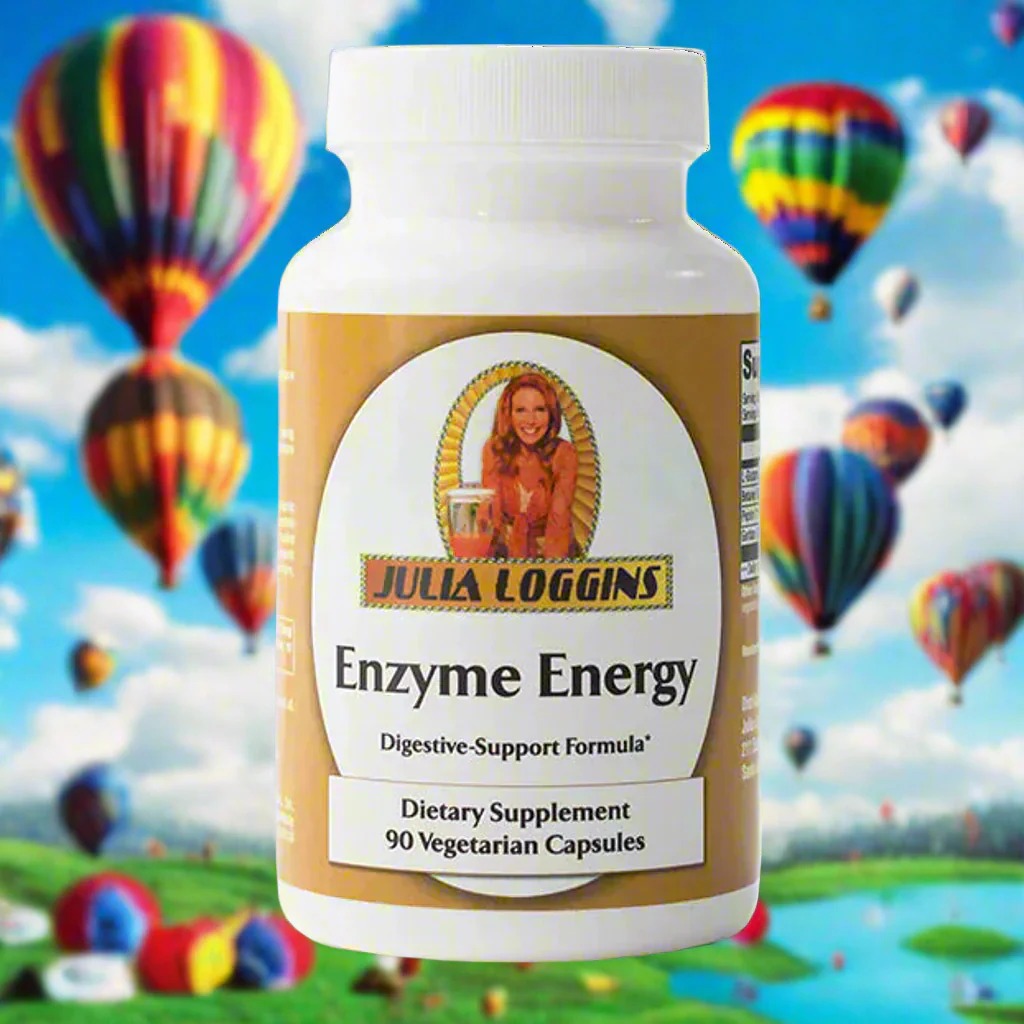
Taking a digestive enzyme with hydrochloric acid at the end of protein-heavy meals is one of the simplest fixes. This is the reason I created Enzyme Energy specifically for sensitive bellies that need that support.
Root Cause #2: Candida and Yeast Overgrowth Driving Your Cravings
Protein is your other lever against cravings and I offer 3 steps to help with protein consumption. First, know that protein helps stabilize blood sugar, which in turn eases the mood swings and cravings that come with cutting sugar.[2] Secondly, aim for roughly 120 grams a day, about three palm-sized servings. Lastly, remember protein doesn’t have to be solid food. And, a protein drink counts.
Out-of-control sugar and carbohydrate cravings are the number one symptom of systemic yeast and candida overgrowth. If indeed, that is your pattern, diet changes alone usually aren’t enough to break the cycle. However, an herbal formula like Yeast Be Gone Cleanse built for balancing yeast and candida makes a real difference. Consider, For cravings tied more to blood sugar swings than candida, Crave Control is worth a look too. Also, probiotics matter here as well, but not just any probiotic will do. In addition, I suggest you look for one containing Saccharomyces boulardii, a specific beneficial yeast strain studied for supporting gut balance and crowding out overgrowth.[1]
Root Cause #3: Tenesmus, or Never Feeling Fully Empty
When you never feel completely empty after a bowel movement, that’s called tenesmus. It’s common, and it can be genuinely painful and frustrating. In this case, skip the laxatives and high-fiber supplements here — they can make tenesmus worse, rather than better. Three gentler steps to try instead:
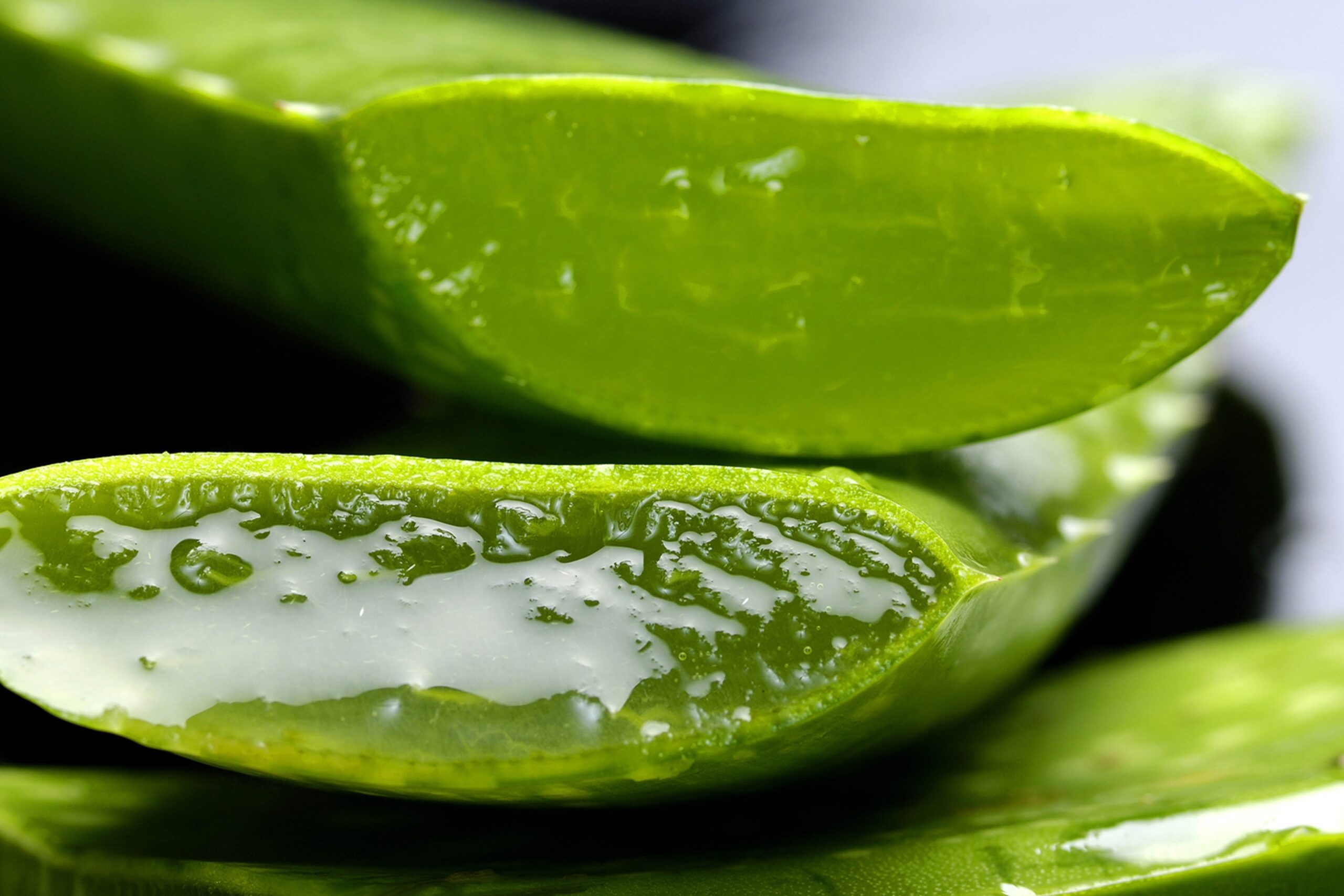
Aloe vera juice, an ounce in the morning and an ounce in the afternoon. It has mild laxative properties without being inflammatory, and research points to its soothing effect on an irritated gut lining.[3]
Happy Gut Cleanse is a formula built to encourage complete, daily emptying without bloat or urgency. In addition, it can also support diverticulitis pockets in emptying and shrinking, since those pockets are prone to trapping waste when the colon never fully clears. Diverticulitis itself isn’t rare—roughly 200,000 people are hospitalized for it in the U.S. yearly.[7]
Colon hydrotherapy sessions, which works the colon’s own muscles the way a workout would. The repeated fill-and-release cycles stimulate peristalsis, the wave-like muscle contractions that move waste through the colon, helping restore normal muscle tone over time, plus remove old stuck waste.[4]
Simple Food and Lifestyle Swaps That Support Natural Gut Healing
By the way, you don’t have to be a gourmet cook to heal your gut, and it doesn’t need to become a second career. A few swaps go a long way:
Let coffee go. Most likely, its the acid, not the caffeine, is the real problem for an inflamed gut — so decaf isn’t a fix.[5] Therefore, swap in green tea or matcha first thing in the morning instead.
Build meals around protein. First, beyond curbing cravings, protein steadies blood sugar, mood, and energy. And, if cooking isn’t your thing, a plain rotisserie chicken (skip garlic, onion, or barbecue-sauce versions) is an easy shortcut.
Upgrade your snacks. Swap chips and soda for cassava chips with guacamole, or organic deli turkey or ham. Also, drink water instead of soda. You’ll feel steadier through the afternoon and reach for less which is hard on your stomach.
Soothe heartburn and nausea between meals. Consider a gentle option like Happy Gut Soothe can help when food and timing are out of your control.
Related Reading from Julia:
- Foods That Heal Diverticulitis, IBS & Colitis
- 5 “Healthy” Foods That Trigger Diverticulitis Flares
- 5 Natural Remedies to Shrink Diverticulitis Pockets
- Thiamine Deficiency—Missing Link to IBS & Gut Health?
- 8 Trapped Gas Causes & 5 Remedies to Flatten the Bloat
Frequently Asked Questions About Gut Symptoms When Tests Are Normal
Why do I have gut symptoms if my tests are normal?
Does “incurable” mean I can’t heal my gut?
What are the signs of candida or yeast overgrowth?
What is tenesmus and how do I heal it?
How do digestive enzymes support natural gut healing?
Should I stop drinking coffee if I have gut symptoms?
What foods help support natural gut healing day to day?
Free Gut Health Resources to Start Today


Is your body chemistry out of whack, imbalanced, or hurting? Then asking for help can feel impossible. Maybe you believe you do not deserve support. Yes, you do.
So when you need solid, experienced gut wisdom, tune in to my free ASK JULIA live videos. Catch me on TikTok and YouTube every Sunday at 4 pm PST. Then join the love and compassion in our Facebook Happy Gut Tribe group.
Where can we send Julia’s no-cost DIY Resources? Click to tell us.
You know your body best. Walk this road home to health at your own pace, with your own two hands. To Your Health,

Julia Loggins is a gut-health coach and educator, not a physician. Therefore, this content is for educational purposes only and is not medical advice. Note, individual results vary and are not typical. These statements have not been evaluated by the FDA. Additionally, this information is not intended to diagnose, treat, cure, or prevent any disease. And, as always consult your doctor before starting any supplement, cleanse, or lifestyle change
Sources
- Medical News Today. “Saccharomyces boulardii probiotics: Uses and benefits
- “The Well by Northwell. “Could Protein Improve Your Mood?”
- QN Wellness. “Aloe Vera for Gut Health: Benefits, Dosage & Precautions.
- “Regenerated Health. “Colon Hydrotherapy: Benefits, Risks, and Evidence.”
- Manhattan Gastroenterology. “Coffee & Your Digestion.
- “Gutsy By Nutrition. “Your gut testing from the doctor came back ‘all clear,’ but you still have gut problems.”
- National Institute of Diabetes and Digestive and Kidney Diseases (NIDDK). “Definition & Facts for Diverticular Disease.”


Leave a Reply